

Have you ever wondered how your electric kettle seems to know exactly when to stop boiling water? You fill it up, switch it on, and moments later, it turns off all by itself—no need for you to keep an eye on it.
This automatic shut-off feature isn’t magic; it’s a smart safety mechanism designed to save you from accidents and save energy. But how does it actually work? You’ll discover the clever technology inside your kettle that senses when the water has boiled and switches the power off instantly.
Understanding this will not only satisfy your curiosity but also help you appreciate the safety and convenience built into such a simple everyday appliance. Keep reading to learn the secrets behind your electric kettle’s smart switch-off.
Steam Activation Mechanism
The steam activation mechanism is key to how electric kettles turn off automatically. It uses the steam from boiling water to trigger a switch. This prevents the kettle from overheating or boiling dry. The design is simple yet effective, ensuring safety and convenience. Understanding this mechanism helps explain why your kettle stops heating at the right time.
Steam Rise And Detection
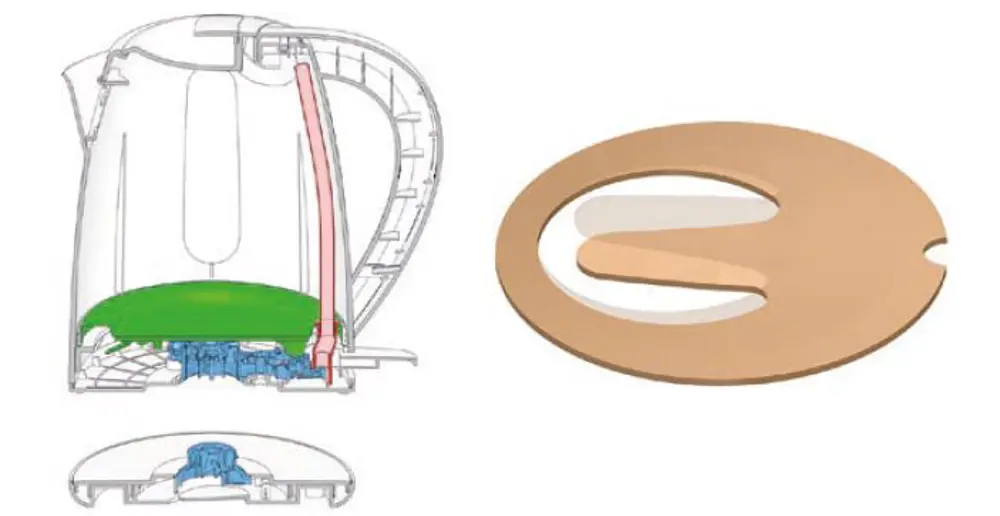
When water reaches boiling point, steam starts rising inside the kettle. This steam travels through a small channel or tube. The rising steam signals the kettle that the water is hot enough. A sensor or a bimetallic strip detects the steam’s heat. This detection is the first step in turning off the kettle automatically.
Steam Channel To Base
The steam moves through a narrow channel to the kettle’s base. Inside the base, the steam hits the bimetallic strip or sensor. The strip is made of two metals that expand differently when heated. The steam’s heat causes the strip to bend or move. This movement triggers a switch that cuts power to the heating element. The kettle then stops boiling and turns off safely.
Bimetallic Strip Function
The bimetallic strip plays a key role in an electric kettle’s automatic shut-off system. It acts as a simple yet effective thermostat. The strip senses temperature changes and triggers the switch to turn off the kettle. This function helps prevent overheating and saves energy.
Understanding how the bimetallic strip works makes it clear why kettles stop heating once the water boils. The strip’s design and behavior under heat are essential to this process.
Composition And Properties
The bimetallic strip consists of two thin metal layers. These metals have different rates of expansion when heated. One metal expands more than the other. They are firmly bonded together to act as a single unit. This combination creates a strip that bends when heated.
Heat-induced Bending
As the kettle heats up, steam rises inside it. The steam touches the bimetallic strip, raising its temperature. The two metals expand at different speeds. This difference causes the strip to bend. The bending depends on the temperature change and the metals used.
Lever And Switch Trigger
The bent strip pushes against a small lever inside the kettle. This lever is connected to an electrical switch. When the strip bends enough, it moves the lever. The lever then flips the switch off. This action cuts power to the heating element. The kettle stops heating immediately.
Temperature Sensors In Kettles
Temperature sensors play a key role in electric kettles. They detect when the water reaches its boiling point. This detection helps the kettle turn off automatically. Without these sensors, kettles could overheat or waste energy. Two common types of sensors used in kettles are thermistors and bimetallic strips. Each works differently but aims for the same result: safety and efficiency.
Thermistors And Their Role
Thermistors are small electronic components that measure temperature. They change their resistance as the temperature changes. When water heats up, the thermistor detects the rising temperature. It sends a signal to the kettle’s control circuit. Once the water reaches boiling point, the circuit cuts power to the heating element.
Thermistors offer precise temperature control. They react quickly to temperature changes. This speed helps prevent the kettle from overheating. Many modern kettles use thermistors for accurate and reliable shut-off.
Comparison With Bimetallic Strips
Bimetallic strips are simple mechanical sensors. They consist of two metal layers bonded together. These metals expand at different rates when heated. As steam from boiling water rises, it heats the strip. The strip bends due to the different expansion rates. This bending triggers a switch to cut off power.
Bimetallic strips are durable and cost-effective. They do not require electricity to sense temperature. However, they are less precise than thermistors. Kettles with bimetallic strips may have a slight delay in shutting off. Still, they remain common in many basic electric kettles.

Credit: www.explainthatstuff.com
Circuit Interruption Process
The circuit interruption process plays a key role in how an electric kettle stops heating. This process cuts off the power to the heating element once the water reaches boiling point. It works quickly and safely to prevent overheating or damage.
Inside the kettle, a small mechanism detects temperature changes. This triggers the circuit interruption to switch off the power supply. The process involves two main parts: the switch mechanism and power cut-off execution.
Switch Mechanism
The switch mechanism includes a bimetallic strip or sensor. This strip is made from two metals with different expansion rates. When steam heats the strip, it bends due to uneven expansion. This bending action moves the switch.
As the strip bends, it pushes a lever or button. This action opens the electrical circuit. Opening the circuit stops the flow of electricity to the heating element.
Power Cut-off Execution
Once the switch opens, the power to the heating element cuts off immediately. This stops the kettle from heating further. The electric current no longer flows through the circuit.
The cut-off is fast and reliable. It ensures the kettle turns off even if you forget to unplug it. This safety feature protects against dry boiling and overheating risks.
Boil-dry Protection
Boil-dry protection is a vital feature in electric kettles. It stops the kettle from heating when there is no water inside. This prevents damage to the kettle and reduces fire risk. The system detects when the water level is too low or empty and cuts the power instantly. This safety mechanism extends the kettle’s life and keeps users safe from accidents.
Safety Features
Boil-dry protection acts as a safety guard. It prevents the heating element from overheating. Without water, the element can get very hot and cause damage. The kettle senses this condition and shuts off automatically. This feature avoids potential burns or electrical hazards. It also keeps the kitchen safe from fire risks caused by dry boiling.
Backup Thermostat Function
The backup thermostat works as a fail-safe. If the primary sensor fails, this thermostat steps in. It monitors the kettle’s temperature closely. When the temperature rises beyond safe limits, it triggers the power cut. This double layer of protection ensures the kettle never runs empty while heating. It gives extra peace of mind for users relying on their electric kettles daily.
Credit: www.ingenia.org.uk
Energy Efficiency Benefits
Electric kettles save energy by turning off automatically at the right time. This feature stops unnecessary power use and helps reduce electricity bills. It also protects the kettle from damage due to overheating. These energy efficiency benefits make electric kettles a smart choice for daily use.
Automatic Shut-off Advantages
The automatic shut-off feature prevents the kettle from boiling longer than needed. It stops the heating element right after the water reaches boiling point. This saves energy by avoiding extra heating. It also means users do not need to watch the kettle constantly. This convenience adds to the overall energy savings.
Preventing Overheating
Overheating wastes electricity and can damage the kettle. The shut-off system protects the kettle by stopping heat once the water boils. This safety measure keeps the kettle working well for a longer time. It also prevents energy loss caused by dry boiling or overheating. This helps maintain the kettle’s efficiency and safety.
Common Issues And Myths
Electric kettles are simple devices but often cause confusion. Many users face problems or believe myths about their automatic shut-off feature. Understanding common issues and myths helps you use your kettle safely and effectively. It clears doubts about how the kettle knows when to stop heating the water.
Kettle Turning On And Off By Itself
Some kettles switch on and off without your touch. This issue usually happens due to a faulty power switch or electrical connection. Loose plugs or damaged cords can cause the kettle to turn on and off randomly. Another reason might be a malfunction in the thermostat. It can send wrong signals to the heating element. Regular checks and cleaning help prevent this problem. If it continues, consider getting it repaired or replaced.
Manual Shut-off Vs Automatic
Manual shut-off means you turn the kettle off yourself. Some older models need this method to stop heating. Modern electric kettles mostly use automatic shut-off. They sense steam or temperature to stop heating once water boils. The automatic switch prevents boiling dry and saves energy. Automatic kettles use a bimetallic strip or sensor. This part reacts to steam heat and cuts power instantly. Automatic shut-off adds safety and convenience to everyday use.

Credit: www.youtube.com
Technological Advances
Technological advances have transformed electric kettles from simple appliances to smart devices. These improvements enhance safety, convenience, and energy efficiency. Modern kettles use advanced sensors and smart technology to know exactly when to turn off.
Smart Kettles And Sensors
Smart kettles use temperature sensors to detect boiling water. Thermistors measure heat changes precisely. Once the water reaches 100°C, the sensor sends a signal to stop heating. Some models use steam sensors that detect vapor rising. This triggers the kettle to switch off automatically.
Bimetallic strips remain common in many kettles. They bend when heated, breaking the circuit to stop power. Smart kettles combine these sensors with microcontrollers for better control. Users can also connect kettles to smartphones for remote operation.
Future Innovations
Future kettles may use AI to learn your boiling preferences. They could adjust temperature and timing automatically. Integration with smart home systems will allow voice control. Energy-saving features might optimize power use based on habits.
Advanced sensors could monitor water quality and quantity. This data would help prevent dry boiling more effectively. Wireless charging and improved materials will make kettles safer and more durable. These innovations aim to make boiling water faster and smarter.
Frequently Asked Questions
How Does An Electric Kettle Turn Itself Off?
An electric kettle uses a bimetallic strip or temperature sensor to detect steam from boiling water. This triggers a switch that cuts power, turning the kettle off automatically. This safety feature prevents overheating and dry boiling, ensuring convenience and protection.
Does An Electric Kettle Turn Off On Its Own?
Yes, most electric kettles turn off automatically when water boils. A steam-activated sensor triggers the switch to cut power, preventing overheating.
How Does The Automatic Switch Off An Electric Kettle Help To Conserve Energy?
The automatic switch off stops heating once water boils, preventing energy waste. It avoids overheating and dry boiling, conserving electricity efficiently.
Why Shouldn’t You Boil A Kettle Twice?
Boiling a kettle twice concentrates minerals and impurities, affecting taste and potentially damaging the kettle. Use fresh water each time.
Conclusion
Electric kettles turn off by sensing steam from boiling water. A bimetallic strip bends from heat, triggering the switch to cut power. This simple system prevents overheating and dry boiling. It keeps your kettle safe and energy efficient. Understanding this helps you appreciate everyday technology better.
Next time you use your kettle, remember the smart design inside. It works quietly but protects your home from accidents. Simple, clever, and reliable—just like good technology should be.